Complaints Procedure for Landscaping Aldgate
 A clear complaints procedure is essential for any landscaping Aldgate service because it helps resolve concerns quickly, fairly, and with minimal disruption. Whether the issue relates to poor workmanship, missed details, damaged plants, or a project that did not match the agreed scope, a well-structured process gives everyone a transparent route to resolution. This page explains how a complaint is handled from start to finish, using simple steps and a respectful approach.
In professional landscaping in Aldgate, every project should be carried out with care, but sometimes expectations, site conditions, or communication issues can lead to dissatisfaction. When that happens, the aim is not to create conflict; it is to identify the problem, review the facts, and decide on a suitable remedy. A strong complaints process supports accountability and helps maintain trust throughout the work.
 The first step is for the issue to be reported as soon as possible after it is noticed. Delays can make it harder to assess the concern accurately, especially where plants, materials, or finished features may have changed. A complaint should include a clear description of the problem, the location within the garden or outdoor area, and any relevant details about when the work was completed. This information helps the landscaping team understand the concern and respond efficiently.
Once the complaint is received, it should be acknowledged promptly. The purpose of this stage is to confirm that the matter is being reviewed and to outline the next steps. A responsible landscaping service in Aldgate will usually examine the project records, review the original instructions, and consider whether the issue is related to workmanship, materials, timing, or a misunderstanding about the agreed work. If needed, a site visit may be arranged to inspect the concern in person.
The review stage should be handled with fairness and attention to detail. Some concerns may be straightforward, such as a plant that failed soon after installation or a surface that was not finished to the expected standard. Other issues may require a more careful assessment, particularly if weather, soil conditions, or pre-existing site limitations influenced the outcome. A good process keeps the focus on facts rather than assumptions, helping to ensure a balanced decision.
 If the complaint is upheld, the next step is to agree on an appropriate resolution. This may involve correcting the work, replacing defective materials, or making reasonable adjustments to bring the project in line with the original agreement. In some cases, partial remedial work may be enough to solve the issue. The key is that the response should be proportionate to the problem and carried out in a timely manner. Clear communication at this stage prevents confusion and helps avoid further dissatisfaction.
Not every complaint can be resolved in exactly the same way, because each landscaping Aldgate project is different. For example, a complaint about garden clearance may require a different response from one involving paving, turfing, planting, or decorative features. The complaint handler should therefore consider the nature of the original task, the agreed specifications, and the outcome that would be most practical and fair for both parties. A flexible but consistent procedure is usually the most effective.
Where a complaint is not upheld, the reasons should be explained clearly and respectfully. This is an important part of a trustworthy landscaping in Aldgate complaints procedure. Even when the outcome is not what the complainant hoped for, a full explanation helps show that the matter has been taken seriously. It is also helpful to explain any evidence considered during the review, such as notes, photographs, or project details, while keeping the tone professional and impartial.
A useful complaints process also includes a record of the issue, the actions taken, and the final outcome. Keeping this information supports consistency across future projects and helps identify recurring problems that may need improvement. For a landscaping provider, this can highlight issues such as communication gaps, specification misunderstandings, or product-related concerns. Over time, such records can improve service quality without placing unnecessary emphasis on local specifics or unrelated operational details.
 Another important part of the procedure is timescale. Complaints should be handled within a reasonable period, with updates provided if more time is needed for investigation. This is especially important when weather conditions, site access, or specialist materials affect the pace of review. A prompt response demonstrates professionalism and shows that the concern matters. In landscaping Aldgate, where outdoor conditions can change quickly, timely action can also prevent a minor issue from becoming a larger one.
Communication should remain polite, neutral, and focused on the issue itself. Using clear language helps avoid misunderstandings and keeps the process constructive. If a complaint is complex, it can be broken into smaller points so each matter is assessed separately. This makes the review easier to follow and helps both sides understand how the final decision was reached. Consistency, accuracy, and respect are the foundations of an effective procedure.
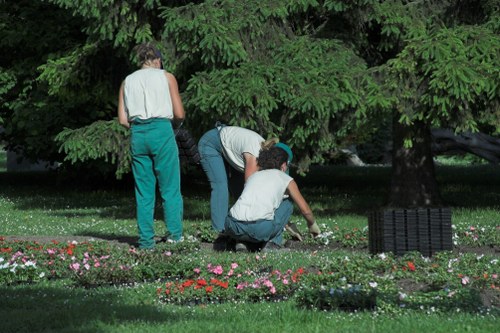 In some situations, a final review may be necessary if the complainant believes the matter has not been addressed properly. This stage should be limited to reviewing the complaint again with fresh attention to the facts already provided. The aim is not to restart the process, but to ensure the original decision was reasonable and properly considered. A final review helps reinforce confidence in the overall landscaping complaint process and gives the matter a clear conclusion.
Ultimately, a well-designed complaints procedure protects both the client and the landscaping team. It creates a structured way to raise concerns, assess them fairly, and resolve them without unnecessary delay. For anyone arranging landscape services in Aldgate, this approach shows a commitment to quality, responsibility, and good communication. A professional process does more than fix problems; it helps maintain standards and supports better outcomes on every project.
In summary, the best complaints procedure is simple, transparent, and consistent. It should make it easy to report an issue, ensure the concern is investigated properly, and provide a fair resolution where appropriate. By keeping the process clear and respectful, landscaping Aldgate services can handle complaints in a way that protects quality and strengthens trust in the work delivered.