Recycling and Sustainability for Landscaping Aldgate
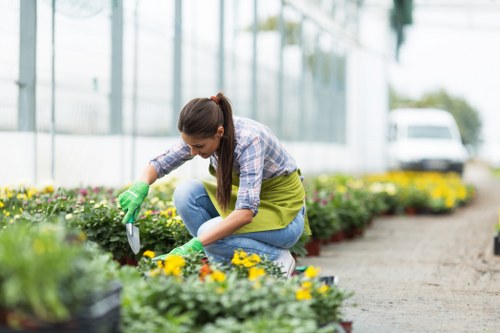 At Landscaping Aldgate, sustainability is built into the way outdoor spaces are planned, maintained, and renewed. From garden clearances to planting schemes and hard landscaping, every project is approached with a clear focus on reducing waste, reusing materials where possible, and supporting the circular economy. Our aim is to help create attractive, practical landscapes while making sure the environmental impact of each job stays as low as possible.
One of our core commitments is a recycling percentage target of 90% for all suitable green waste and non-hazardous materials collected from landscaping work. That means soil, branches, prunings, leaves, turf, timber offcuts, and other recoverable materials are separated carefully so they can be diverted from landfill. In a busy urban area, this sort of responsible handling matters. It supports cleaner neighbourhoods, lowers disposal emissions, and helps valuable resources re-enter use.
We also work in a way that reflects local borough approaches to waste separation, where different materials are sorted for specialist processing rather than mixed together. In practice, this can include separating green waste from general rubble, setting aside clean aggregates for reuse, and ensuring plastics, metals, and untreated wood are directed to the correct recycling streams. By aligning landscaping operations with these local standards, Landscaping Aldgate helps improve recycling outcomes across every stage of a project.
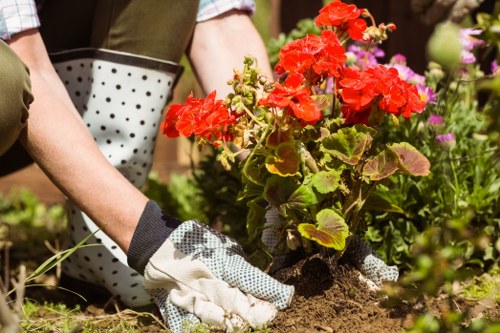 A key part of our sustainability approach is the use of local transfer stations. These facilities allow waste and recyclable materials to be handled efficiently close to site, reducing long-distance transport and making sorting more effective. For landscaping projects, this is especially useful when dealing with mixed loads from garden renovations, soil removal, or site preparation. By using nearby transfer stations, landscaping Aldgate services can minimise time on the road while ensuring materials are assessed and sent to the right recovery channels.
We pay particular attention to materials commonly generated in the area, including branches and hedge cuttings, lawn clippings, compostable plant matter, broken paving, and old timber from fencing or decking. Where possible, wood chips and mulch are created from suitable green waste, allowing materials to return to the landscape in a useful form. This is an important part of sustainable landscaping in Aldgate because it reduces the need for imported products and helps preserve natural resources.
Our team also makes use of charity partnerships to extend the life of usable items. When projects involve the removal of planters, garden furniture, tools, pots, bricks, or decorative features that are still in good condition, we aim to pass these on to charities and community organisations where appropriate. This approach supports local reuse networks and helps keep useful materials in circulation for longer. It is a practical way to make sure that not everything removed from a site becomes waste.
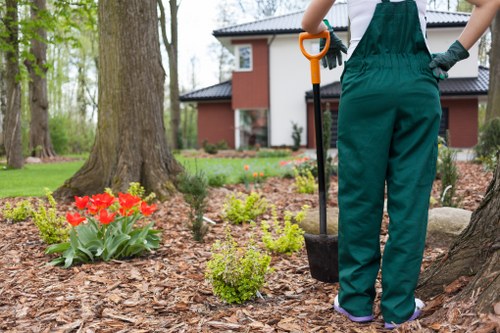 Recycling in landscaping is not only about what leaves the site; it is also about how materials are chosen from the start. For example, when new installations are planned, we look for recycled or recyclable products such as reclaimed paving, responsibly sourced timber, and compost-based soil improvers. These choices reduce pressure on virgin resources and help build a more sustainable supply chain. In a densely populated part of London, even small decisions can have a meaningful environmental benefit.
Low-carbon vans are another essential part of our greener operations. We are steadily increasing the use of more efficient vehicles across Landscaping Aldgate projects, including vans with lower emissions and improved fuel economy. These vehicles are better suited to urban driving and help reduce the carbon footprint associated with moving tools, materials, and waste. Combined with careful route planning and grouped site visits, they make a real difference to the environmental impact of everyday landscaping work.
We also consider how waste separation at borough level shapes local recycling habits. In many parts of London, food waste, dry recycling, garden waste, and residual waste are kept apart so each stream can be treated correctly. That broader culture of sorting carries through into landscaping, where separating soil, green waste, rubble, and recyclable packaging ensures better recovery rates. This attention to detail is especially important on jobs that produce varied waste types in a single visit.
 Sustainable practice is also reflected in our site management. We use efficient loading methods, keep materials organised, and plan collection schedules to avoid unnecessary trips. By reducing vehicle movements and maximising each load, we limit emissions and improve operational efficiency. Where feasible, organic matter is composted or transformed into mulch, while reusable stone or brick materials are retained for future hard landscaping features. These methods help landscaping Aldgate projects stay environmentally responsible from start to finish.
Another important aspect is communication with clients about material choices and disposal options. Many people want their outdoor spaces improved without creating unnecessary waste, so we look for solutions that reuse existing elements or incorporate recycled alternatives. This may include salvaging edging stones, reworking healthy topsoil, or rehoming suitable plants. By treating recycling as part of the design and maintenance process, we support more thoughtful and less wasteful landscaping outcomes.
Our sustainability goals also extend to packaging and supply handling. When materials arrive on site, cardboard, plastic wrapping, pallets, and metal fixings are separated where possible for proper recycling. This supports higher recovery rates and reflects a wider commitment to responsible resource management. In an area like Aldgate, where space is limited and waste handling must be efficient, careful sorting is essential to keeping projects clean, compliant, and environmentally sound.
 Looking ahead, Landscaping Aldgate remains committed to improving its recycling percentage target and expanding the range of materials that can be reused, repaired, or repurposed. Through local transfer stations, charity partnerships, low-carbon vans, and a strong culture of waste separation, we continue to reduce environmental impact while delivering high-quality landscape work. Sustainability is not an extra step; it is part of the service itself.
For clients, this means that choosing a greener landscaping service can help support cleaner streets, lower emissions, and a better use of materials across the community. Whether the work involves pruning, clearance, planting, or full garden renewal, the focus stays on responsible recycling and careful resource use. That is how Landscaping Aldgate contributes to healthier, more resilient outdoor spaces in the heart of the city.