Soft Landscaping in Aldgate
If you are looking for soft landscaping in Aldgate, you are likely trying to turn an outdoor space into something that feels greener, calmer, and easier to enjoy day to day. In a busy area like Aldgate, that can mean many things: a small courtyard that needs structure, a shared terrace that needs planting, a front garden that feels tired, or a commercial entrance that should look polished all year round. Soft landscaping is the part of garden design and outdoor improvement that brings life into a space through plants, turf, soil improvement, planting schemes, and practical finishing touches that make the area feel complete.
Aldgate properties come in many forms, from apartment developments and converted buildings to office spaces, managed blocks, roof terraces, and compact private gardens. That variety means a one-size-fits-all approach rarely works. A local soft landscaping team understands that plants need to suit the setting, sunlight, exposure, and maintenance level, especially where access is tight and space is limited. Whether you need a refresh for a residential courtyard or a professional planting scheme for a business frontage, the right plan can make a noticeable difference.
What matters most to local customers is finding a service that is practical, reliable, and tailored to the site. Soft landscaping services in Aldgate are not just about adding plants; they are about creating usable, attractive outdoor areas that fit the property and the people who use them. From soil preparation to planting beds and seasonal refreshes, the work should support long-term growth rather than simply delivering a short-term visual change.
Why soft landscaping matters in Aldgate

Aldgate is a distinctive part of London where residential and commercial spaces sit side by side. That creates a real need for outdoor areas that look smart without becoming difficult to maintain. Soft landscaping helps soften hard surfaces such as paving, concrete, walls, and railings, which are common in urban properties. The right mix of planting can also improve privacy, create a more welcoming entrance, and make even modest outdoor areas feel more generous.
For homeowners, soft landscaping may be about making a small garden feel like a usable extension of the home. For landlords and block managers, it can be about keeping communal spaces attractive and manageable for residents. For offices, restaurants, and retail units, it often supports first impressions and creates a better environment for staff, clients, and visitors. Soft landscaping in Aldgate is therefore both a visual improvement and a practical investment in how a space works.
The local environment also plays a big role. Urban planting must cope with shade from tall buildings, wind exposure at higher levels, restricted soil depth on terraces, and sometimes limited water availability. A well-planned scheme takes all of this into account, choosing the right planting style and materials so the space can thrive rather than struggle. That is one of the reasons why a local team with experience in Aldgate properties can be so useful.
What soft landscaping services can include

Soft landscaping can cover a wide range of outdoor improvements, depending on the property and the outcome you want. It is usually centred on living materials and natural finishes rather than structural construction. The aim is to create an outdoor area that feels balanced, maintained, and suited to the way it will be used.
Common soft landscaping services include:
- Planting design and installation for beds, borders, planters, and raised areas
- Turfing and lawn renewal for new lawns or replacement of worn grass
- Soil improvement using compost, topsoil, and conditioning where needed
- Mulching to help retain moisture and reduce weed growth
- Seasonal planting for colour and year-round interest
- Shrub and hedge planting for structure, screening, or definition
- Border renovation to refresh tired planting areas
- Planter installation and planting for rooftops, courtyards, and entrances
- Softening hard landscaping by adding greenery around paving and built features
Depending on the property, the service may also include plant selection advice, layout planning, and maintenance recommendations. The best results usually come from a considered approach rather than simply filling space with plants. In a place like Aldgate, where many outdoor areas are compact or highly visible, every planting choice matters.
Many customers also ask for a combination of practical and decorative work. For example, a courtyard might need durable evergreen planting near seating areas, lighter seasonal colour at the entrance, and low-maintenance ground cover in shaded corners. A good soft landscaping plan should make the entire space feel cohesive, not overcrowded.
Soft landscaping for homes, flats, and managed developments
Residential outdoor spaces

Homeowners in Aldgate often want an outdoor space that feels private, manageable, and pleasant to spend time in. That could mean a small garden behind a terrace, a shared courtyard in a converted building, or a balcony-style planting area connected to a flat. Soft landscaping in Aldgate for residential properties is often about making a compact area feel restful and attractive without creating unnecessary upkeep.
Many local homes benefit from planting that provides year-round structure, such as evergreen shrubs, ornamental grasses, or climbers on walls and trellises. In smaller spaces, it is often best to choose plants that offer interest in more than one season and do not outgrow the area too quickly. This is especially important in urban settings where overplanting can lead to a cramped feel or make maintenance more difficult.
Where the outdoor space is shared, such as in a block or managed development, plant selection should be practical and durable. Residents generally need planting that looks good and stays tidy with reasonable care. That may include hardy ground cover, organised bed layouts, and species that tolerate variable light conditions. A thoughtful scheme can improve the whole atmosphere of a building and make communal areas feel more welcoming.
Useful features for residential soft landscaping often include:
- Low-maintenance planting suited to busy lifestyles
- Evergreens for structure through the colder months
- Colourful seasonal planting where space allows
- Species that suit shade, partial shade, or urban exposure
- Planting that improves privacy without blocking light entirely
For many residents, the biggest benefit is that the space becomes easier to enjoy. Instead of an outdoor area that feels unused or hard to manage, soft landscaping can create a place to sit, relax, entertain, or simply look out onto with pride.
Commercial soft landscaping for Aldgate businesses
Commercial properties in Aldgate often need outdoor areas to support a polished and professional image. That includes office entrances, reception courtyards, hospitality settings, retail forecourts, and communal business spaces. A well-planned planting scheme can make these places feel more inviting without adding too much maintenance burden. For businesses, appearance matters, but so does practicality.
Soft landscaping in commercial settings is often chosen to create a more pleasant arrival experience, reduce the starkness of hard surfaces, and improve the overall mood of the site. Plants can also help define zones, guide movement, and make a property feel more cared for. In a built-up area like Aldgate, that can have a strong impact on how visitors and staff experience the space.
Commercial customers often need flexibility, especially where access needs to be carefully managed. Deliveries, pedestrian flow, shared entrances, and building regulations may all influence how and when work is carried out. A local team familiar with the area can plan around these realities, helping to minimise disruption while still delivering a high-quality result.
Typical commercial projects may include:
- Entrance planting for offices and business premises
- Courtyard and atrium planting schemes
- Planter-based greenery for paved or roof areas
- Seasonal refreshes for customer-facing spaces
- Low-maintenance planting for managed commercial sites
For landlords, developers, and facilities teams, one of the biggest advantages of a local soft landscaping service is consistency. It is much easier to maintain a good standard when the planting has been designed around the exact conditions of the site and the expectations of the people who use it.
How the service usually works
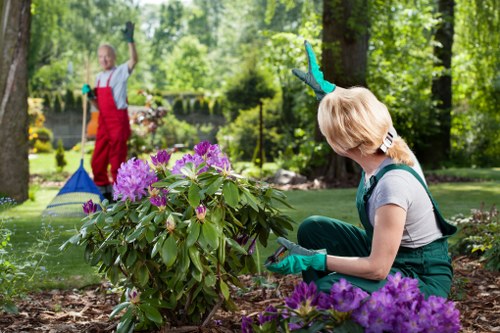
Customers often want to know what happens once they request soft landscaping in Aldgate. A good service should feel straightforward from the first conversation through to completion. While every project is different, the process usually follows a series of practical steps designed to understand the site, plan the work properly, and produce a lasting result.
The process commonly starts with an assessment of the space. This may involve looking at sunlight, shade, drainage, soil quality, access, existing planting, and how the area is currently used. In Aldgate, access can be a major factor, particularly for upper-floor terraces, basement courtyards, shared entrances, and tightly managed residential or commercial sites. Planning around these constraints early helps avoid delays and makes the project easier to deliver.
Next comes the selection of plants and materials. This stage should reflect the look you want, but it should also be guided by conditions on site. A sunny courtyard can support a different planting palette to a shaded internal garden, and a roof terrace may need lighter planters and more drought-tolerant species. A thoughtful plan avoids costly mistakes and reduces the chance of plants struggling after installation.
A typical soft landscaping process may include:
- Initial discussion about the property, your goals, and any access requirements
- Site review and practical recommendations
- Planting and layout proposal based on the location and usage
- Preparation of soil, beds, borders, or planter areas
- Installation of plants, turf, mulch, or other soft landscaping elements
- Final tidy-up and advice on care and maintenance
For some customers, the work is completed in one phase. For others, it may be staged to fit building access, resident schedules, or seasonal planting windows. Either way, the aim is to create a finish that looks natural, balanced, and appropriate to the property.
What is included in a well-planned soft landscaping project

When people enquire about soft landscaping, they often want to understand what they are actually getting for the investment. The exact scope will vary, but a properly planned project should cover far more than just placing plants into the ground. It should be based on site conditions, how the space will be used, and how much maintenance is realistic for the customer.
Typically, a good project will include a mix of preparation, planting, finishing, and practical advice. This may involve clearing tired or unsuitable planting, improving the soil, arranging levels and edges, and installing plants that suit the desired style. If the area includes planters or raised beds, these may also need refreshing or repopulating with appropriate growing media and species.
Common inclusions in soft landscaping projects are:
- Removal of poor-quality or overgrown planting, where required
- Bed and border preparation
- Topsoil, compost, or other soil conditioning
- Plant sourcing and installation
- Turf installation or lawn improvement
- Mulching for a clean finish and better moisture control
- Advice on aftercare and watering
Some customers also want a long-term plan for their space rather than a one-off refresh. That can be especially useful for larger residential developments, commercial properties, or anyone who wants the planting to evolve through the seasons. In those situations, the landscaping work can be designed with future maintenance in mind, so the area stays attractive without becoming demanding.
It is worth remembering that soft landscaping is as much about suitability as style. A smart-looking planting scheme only works if it suits the conditions in Aldgate and the level of care that will realistically be given to it. The right balance makes the difference between a space that looks good briefly and one that continues to improve over time.
Why choosing a local Aldgate team makes sense
There are clear benefits to working with a team that understands Aldgate and the surrounding area. Local knowledge is useful for more than just travel time. It helps with understanding building access, parking limitations, common property layouts, seasonal conditions, and the kinds of outdoor spaces that are most common locally. In a dense urban area, these details can have a significant effect on how smoothly a project runs.
Nearby areas such as Whitechapel, Tower Hill, Spitalfields, Bishopsgate, St Katharine Docks, and the wider City fringe all share similar challenges in terms of access and site constraints. A local service provider is more likely to be comfortable working around shared entrances, narrow pathways, upper-level terraces, and managed communal areas. That practical experience can save time and reduce stress for the customer.
There is also value in using a team that understands the types of plants and finishes that tend to work well in central London settings. Urban conditions often demand tougher, better-chosen planting, especially where wind, shade, or limited root space are factors. A local approach is more likely to deliver planting that is attractive and realistic, rather than decorative but difficult to maintain.
Reasons local customers often prefer a nearby team include:
- Better understanding of access and site logistics
- More suitable planting choices for urban conditions
- Responsive planning for residential and commercial needs
- Practical experience with compact spaces and rooftop areas
- Easier coordination around building management or site rules
If you want a space that looks considered and performs well over time, local knowledge is often one of the most important factors in the process.
Preparation checklist before soft landscaping work begins
Preparing properly can make the project smoother and help ensure better results. Whether you are arranging a small courtyard refresh or a larger planting installation, a little preparation helps the team get straight to work. It also reduces the chance of misunderstandings, especially where access or shared use is involved.
Before work begins, it is helpful to think about what you want from the space. For example, do you want it to feel private, colourful, low-maintenance, formal, modern, or welcoming for visitors? The more clearly you can describe the purpose of the space, the easier it is to choose the right plants and layout.
Preparation checklist:
- Identify the parts of the space you want to keep, change, or remove
- Think about sunlight, shade, and how the area is used
- Check building access rules, timing restrictions, or parking limitations
- Decide whether the priority is appearance, privacy, low maintenance, or all three
- Consider whether you want seasonal colour, evergreen structure, or both
- Let the team know about any shared areas or resident requirements
If you are responsible for a block, office, or commercial site, it can also help to confirm who needs to approve access and what times are most suitable for the work. In Aldgate, where many properties have shared management arrangements, this kind of planning can keep the project running smoothly.
Tip: A good result usually starts with a realistic brief. If you know you want the area to look smart but not require constant attention, say so early. That helps shape a planting plan that will suit your lifestyle or business needs.
Pricing factors and what affects the cost
Many customers want an idea of cost before they book, and while exact prices depend on the project, there are several factors that influence the overall expense. Soft landscaping is highly site-specific, so the cost can vary significantly depending on the space, the work involved, and the materials chosen.
Key pricing factors often include the size of the area, the condition of the existing planting or soil, the type and quantity of plants required, and whether additional preparation is needed. Access can also affect the job, particularly where materials must be carried through buildings, up stairs, or into restricted courtyards. In Aldgate, those logistical considerations are often as important as the planting itself.
Other factors may include whether the project includes turfing, planters, soil improvement, ongoing maintenance, or removal of old planting. Seasonal demand and the availability of certain plants can also affect scheduling and supply. This is why a site visit or detailed discussion is usually the best starting point for a reliable quote.
Pricing is often influenced by:
- Project size and complexity
- Preparation and clearance required
- Plant selection and quantity
- Access, parking, and delivery logistics
- Whether the job is residential or commercial
- Any additional maintenance or finishing work
If you are comparing options, it is usually better to focus on what is included and whether the plan suits your property rather than only looking at the headline figure. A well-chosen planting scheme can last far longer and perform better, making it more worthwhile in the long run.
Areas covered around Aldgate
A local soft landscaping service in Aldgate should be able to support customers across nearby neighbourhoods as well as the immediate area. This is useful for homeowners, landlords, property managers, and businesses that operate across the City fringe and surrounding districts. Being close to the site helps with planning, access, and flexibility.
Areas commonly served include Aldgate itself and nearby parts of Whitechapel, Spitalfields, Tower Hill, Bishopsgate, Liverpool Street, St Katharine Docks, and nearby East London locations. The exact requirements can vary from one property to another, but the common thread is the need for smart, practical outdoor work that suits central urban settings.
These areas often include:
- Residential flats and apartment blocks
- Mixed-use developments
- Offices and commercial entrances
- Courtyards, terraces, and roof spaces
- Managed communal gardens
Because the local built environment is dense and varied, flexibility is important. A team that works nearby is more likely to understand how to plan around the realities of busy streets, shared building access, and limited unloading space. That can make the whole experience easier from start to finish.
Whether the project is small or larger in scale, the goal remains the same: create a space that looks good, works well, and feels suited to the location.
Frequently asked questions
What is the difference between soft landscaping and hard landscaping?
Hard landscaping refers to structural elements such as paving, walls, decking, and fencing. Soft landscaping focuses on living elements like plants, turf, trees, shrubs, and soil preparation. Many outdoor projects use both, but soft landscaping is the part that brings colour, texture, and a more natural feel.
Do small Aldgate properties benefit from soft landscaping?
Yes. In fact, compact spaces often benefit the most because careful planting can make them feel more welcoming, organised, and usable. Small courtyards, terraces, and entrances can gain a lot from the right mix of greenery and structure.
Is soft landscaping suitable for commercial buildings?
Absolutely. Businesses often use planting to improve entrances, soften paved areas, and create a more pleasant environment for visitors and staff. The key is choosing low-maintenance, durable planting that suits the site and does not create unnecessary workload.
Can soft landscaping help with privacy?
Yes. The right planting can screen views, soften overlooking angles, and make outdoor areas feel more secluded without making them dark or closed in. Evergreen shrubs, climbers, and layered planting are often useful for this purpose.
How much maintenance will my planting need?
That depends on the species selected and the way the space is used. Some customers want very low-maintenance planting, while others prefer a more decorative scheme that changes seasonally. A good plan should match the amount of time and effort you are comfortable giving to the area.
Can you work around restricted access or parking issues?
Yes, although it is important to mention any access limitations early. In Aldgate, restricted parking, narrow entrances, and managed building access are common, so planning around these issues is often part of the job.
If you are unsure what your property needs, that is perfectly normal. Many customers start with a simple conversation and a request for advice. Contact us today to discuss your space and see how a tailored planting approach could work for you.
Why customers choose soft landscaping for lasting value
Soft landscaping can do more than improve how a space looks. It can change how it feels to use, how easy it is to maintain, and how well it supports the property overall. For homeowners, that might mean a garden that is finally enjoyable rather than neglected. For businesses, it may mean a professional entrance that feels more complete and inviting. For managed properties, it can create a better shared environment for residents and visitors.
In an area like Aldgate, where outdoor space is often at a premium, getting the most from every square metre matters. Thoughtful planting can bring colour to a plain setting, soften the edges of a hard-finished area, and make the property stand out for the right reasons. Soft landscaping in Aldgate is especially effective when it is shaped around the space rather than forced into it.
There is also a real sense of satisfaction in seeing a space come together properly. Once planting is installed and the soil is improved, the area can begin to evolve. With the right care, it can mature into something that feels settled, healthy, and much more pleasant to live with or work around.
Benefits customers often value most:
- Better first impressions
- More usable outdoor space
- Improved privacy and comfort
- Planting suited to local conditions
- Lower stress through practical planning
- A more attractive setting for everyday use
If you are ready to improve your garden, courtyard, terrace, or commercial frontage, book your service now or request a free quote to start the conversation. A well-planned soft landscaping project can transform an overlooked space into one that feels purposeful, fresh, and easy to enjoy.
Final thoughts for Aldgate customers
Choosing the right soft landscaping service is about more than picking plants. It is about working with a local team that understands the area, the type of property, and the practical challenges that come with city living. Whether you are updating a private outdoor space or improving a shared or business setting, a local approach gives you the best chance of achieving a finish that looks good and works in real life.
If your Aldgate property needs planting, turfing, soil improvement, or a full refresh of its soft surfaces, now is the right time to take the next step. Request a free quote and explore how a tailored, locally informed planting plan could suit your space.